


Key Takeaways
Core Netflix-like features improve content discovery, user engagement, retention, platform scalability, and overall streaming quality.
Netflix clone app development costs between USD 25,000 and USD 150,000+, depending on complexity, scalability, and project requirements.
Feature scope, platform selection, security measures, and development resources directly influence overall project costs.
Reduce the cost to develop an app like Netflix by phased releases, cloud services, strategic features, and cross-platform development.
OTT apps earn revenue through subscriptions, advertisements, content licensing, premium content access, and sponsorships.
JPLoft has a pocket-friendly cost to build an app like Netflix and get end-to-end development services, helping you launch efficiently.
Streaming has transformed the way people watch movies, shows, and original content. And Netflix stands out as a global leader with over 325 million subscribers and a highly engaging user experience.
This growing demand has created attractive opportunities for startups, media companies, and entrepreneurs looking to enter the streaming industry.
It raises an important question for businesses planning to build or invest in a Netflix clone: How much does it cost to create an app like Netflix?
The cost ranges between USD 25,000 and USD 150,000+. The final price depends on several factors, including app features, platform selection, UI/UX design, content management capabilities, streaming technology, and ongoing maintenance requirements.
In this blog, we will break down the Netflix like app development cost and explore the key elements that influence overall investment.
Netflix at a Glance: Understanding the Business Model
Netflix operates as a subscription-based OTT platform that allows users to stream movies, TV shows, documentaries, and original content on multiple devices. Users pay a monthly fee to access a vast content library, while advanced algorithms personalize suggestions based on viewers' history.
The company primarily generates revenue through subscription plans offered at different pricing tiers. These plans vary based on the video quality, device access, and user requirements. Netflix further earns revenue through ad-supported plans in selected markets, helping attract a broader audience while increasing profitability.
Businesses are increasingly investing in Netflix clone app development costs as consumer viewing habits continue to shift from traditional television to on-demand streaming. Best video streaming apps provide recurring revenue, direct customer engagement, global reach, and valuable user insights.
With the growing demand for personalized entertainment and digital content consumption, launching a Netflix clone has become a highly profitable business opportunity.
Recent Market Statistics of the Netflix Platform
Let's take a brief look at the recent market statistics of Netflix OTT:
-
Netflix announced 250 million global monthly active viewers for the Netflix Ad Tier. 80% of these members watch actively every week.
-
Netflix has 1 billion+ downloads on the Play Store and a 4.7/5 rating on the iOS store.
-
Netflix reported 325 million+ paid subscribers worldwide as of 2026, the company’s latest publicly highlighted membership milestone.
-
Netflix reported its revenue reached USD 12.25 billion in the first quarter of the year 2026.
What are the Core Features of an App Like Netflix?
The success of Netflix is built on a powerful combination of user-focused and business-driven features. Consisting of selective video streaming app features creates an engaging viewing experience while helping businesses attract, retain, and monetize users effectively.
|
Feature |
Description |
Business Benefit |
|
User Registration & Profiles |
Allows users to create accounts and manage multiple profiles under one subscription. |
Improves personalization and user retention. |
|
Content Library Management |
Organizes movies, TV shows, documentaries, and other video content. |
Enables efficient content distribution and management. |
|
AI-Based Recommendations |
Suggests content based on viewing history, preferences, and behavior. |
Increases watch time and user engagement. |
|
Multi-Device Synchronization |
Syncs user activity across smartphones, tablets, TVs, and web platforms. |
Creates a consistent user experience. |
|
Offline Downloads |
Allows users to download content and watch without internet access. |
Expands accessibility and engagement. |
|
Secure Payment Integration |
Enables subscription payments through various payment methods. |
Simplifies revenue collection. |
|
Parental Controls |
Restricts content access based on age preferences. |
Improves platform safety and family usability. |
|
Content Rating & Reviews |
Allows users to rate content and provide feedback. |
Helps improve suggestions and content strategy. |
|
Analytics Dashboard |
Tracks user behavior, watch time, subscriptions, and engagement metrics. |
Supports data-driven business decisions. |
How Much Does it Cost to Develop an App Like Netflix?
The cost to make an app like Netflix typically ranges between USD 25,000 to USD 150,000+. The exact cost to build a video streaming app depends on the complexity, features, tech stack, and scalability requirements.
A basic app with essential features like registration, video playback, and browsing costs less. While costs rise due to the integration of AI, offline viewing, live streaming, and multi-device synchronization.
The table below provides a general estimated cost to build an app like Netflix based on development complexity:
|
App Complexity |
Estimated Cost |
|
Basic OTT App |
$25,000 - $50,000 |
|
Mid-Level Streaming App |
$50,000 - $100,000 |
|
Advanced Netflix-like Platform |
$100,000 - $150,000+ |
The final investment in Netflix like app development cost depends on your business goals, target audience, supported platforms, and video streaming app compliance requirements.
Key Factors That Influence the Cost to Build an App Like Netflix
The cost to develop an app like Netflix is not determined by features alone. Several technical, design, and business factors directly impact the overall budget. Knowing these cost drivers helps you plan investments effectively and build a scalable streaming platform.
1. Feature Complexity
The number and complexity of features significantly impact how much does it cost to create an app like Netflix. Basic streaming features cost less, while AI recommendations, offline viewing, watch parties, and personalized user experiences require additional development time and resources. The more custom features included, the higher the overall development budget.
2. Platform Selection
To develop an app like Netflix for a single platform, such as iOS or Android, is more affordable than developing for multiple platforms. Adding web, smart TV, and gaming console compatibility further increases costs. Each additional platform requires additional development and optimization efforts, as well as video streaming app testing.
3. Video Streaming Infrastructure
Reliable video delivery requires cloud hosting, content storage, video encoding, and content delivery networks (CDNs). Higher streaming quality and larger user bases result in greater infrastructure expenses. Scalable infrastructure ensures uninterrupted performance during peak traffic periods.
4. Development Team Location
When you develop an app like Netflix, costs vary by region. The cost of a mobile app development company in the USA is generally more than partnering with experienced development companies in Asia or Eastern Europe. The expertise level of the development team also impacts the final budget.
5. UI/UX Design
A user-friendly and visually appealing interface requires detailed research, wireframing, prototyping, and testing. Premium video streaming app designs often require higher investments but improve engagement and retention. Well-designed interfaces also help reduce user churn and improve customer satisfaction.
6. Content Management System (CMS)
A robust CMS enables administrators to upload, organize, categorize, and manage content efficiently. Advanced content management capabilities require additional development effort. Custom CMS solutions offer greater flexibility but increase costs to make apps like Netflix.
7. AI-Powered Recommendation
Netflix-style recommendation systems analyze user behavior and viewing patterns to suggest relevant content. Developing and training AI in a video streaming app adds considerable cost to the project. Accurate suggestions can significantly increase watch time and user engagement.
8. Security and Compliance
Protecting user data and digital content requires encryption, secure authentication, DRM implementation, and compliance with industry regulations. Strong video streaming app security measures increase how much does it cost to develop a Netflix-like app, but reduce business risks. Content protection is especially important for platforms hosting licensed media.
10. Maintenance and Updates
Post-launch expenses include bug fixes, performance optimization, feature enhancements, server monitoring, and security updates. These ongoing costs to make apps like Netflix are essential for long-term platform success. Most businesses allocate 15–20% of the initial development cost annually for maintenance.
How to Develop a Cost-Effective App Like Netflix?
Building a video streaming app like Netflix does not always require a massive budget. Businesses can reduce development expenses while maintaining quality by following a strategic development approach.
The following steps on how to build an app like Netflix can help create a scalable and cost-effective streaming app:
Step 1: Define Your Business Goals and Target Audience
Start an online video streaming business by identifying your niche, target audience, and business objectives. Determine whether your platform will focus on movies, educational content, sports, fitness programs, or live streaming.
Understanding user needs helps prioritize features and prevents unnecessary spending on functionalities that do not contribute to business growth. A clear roadmap also makes the development process more efficient and budget-friendly.
Step 2: Choose Features and Development Approach
Selecting the appropriate development method can significantly affect the cost of a video or live streaming business idea. Cross-platform frameworks allow businesses to create apps for multiple platforms using a shared codebase, reducing development time and costs.
Focus on features that directly support user engagement and monetization. Advanced mobile app features like AI recommendations, live streaming, social sharing, and interactive experiences can be added in later development phases when user demand increases.
Step 3: Start with an MVP
An MVP allows businesses to test market demand, gather user feedback, and validate their concept before investing in advanced capabilities. This approach significantly reduces initial development costs to make apps like Netflix and minimize their risks.
Skilled teams understand industry best practices, technology requirements, and cost optimization strategies. They can help businesses select the right video streaming app tech stack to avoid common mistakes and deliver a high-quality streaming platform within budget.
Step 4: Use Cloud-Based Infrastructure
Cloud services eliminate the need for costly on-premise infrastructure and provide flexibility as the platform grows. Use cloud storage, video hosting, and content delivery networks (CDNs) to ensure smooth streaming performance without making large upfront investments.
Cloud solutions also allow companies to pay only for the resources they use, helping control operational expenses.
Step 5: Prioritize Scalability and Security
A cost-effective app should be designed with future growth in mind. Scalable architecture prevents expensive redevelopment as the user base expands.
At the same time, implement strong security measures, secure authentication, data encryption, and digital rights management from the beginning. This helps avoid costly security issues and other video streaming app development challenges.
Step 6: Deploy and Test the App
Before launching your OTT platform, conduct comprehensive testing to identify and resolve bugs, performance issues, and security vulnerabilities. Test the application across different devices, operating systems, screen sizes, and network conditions to ensure a seamless user experience.
Once quality standards are met, deploy the app to the intended platforms and monitor its initial performance. Thorough testing minimizes post-launch issues, improves user satisfaction, and helps avoid costly fixes later.
Step 7: Monitor, Maintain, and Regularly Update
Launching the app is only the beginning of the development journey. Continuously monitor user behavior, streaming performance, and system health to identify improvement opportunities.
Regularly release updates that include bug fixes, security enhancements, performance optimizations, and new features based on user feedback. Ongoing maintenance ensures platform stability, strengthens user retention, and helps the app remain competitive in the rapidly growing OTT streaming market.
Monetization Strategies for Netflix-Like Apps
A strong video streaming app monetization strategy is essential for the long-term success of any OTT platform. By combining the right revenue models, you can maximize profitability, improve user retention, and create sustainable growth opportunities in the competitive streaming market.
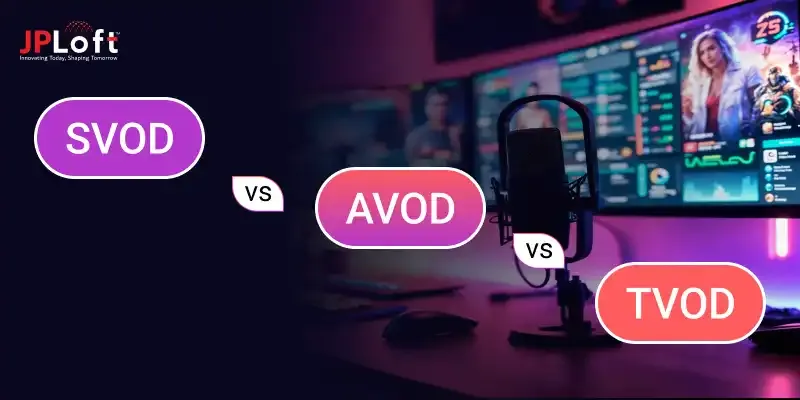
[A] Subscription-Based Model (SVOD)
Users pay a recurring monthly, quarterly, or annual fee to access the platform's content library without individual content purchases. The platform offers multiple subscription tiers based on features, video quality, device limits, or exclusive content access.
Revenue Source: Recurring subscription payments from users.
[B] Advertising-Based Model (AVOD)
Users can access content for free or at a lower subscription cost while viewing advertisements during their streaming experience. The platform displays pre-roll, mid-roll, banner, or sponsored advertisements before and during video playback.
Revenue Source: Advertising partnerships, sponsored content, and ad impressions.
[C] Transactional Video on Demand
Users pay only for the specific content they want to watch instead of purchasing a subscription. The platform charges viewers for individual movie rentals, premium events, or one-time content purchases.
Revenue Source: Pay-per-view fees, rentals, and digital content purchases.
[D] Hybrid Monetization Model
This model combines subscriptions, advertising, and transactional purchases to maximize revenue opportunities. Users can choose ad-supported plans, premium subscriptions, or purchase exclusive content separately.
Revenue Source: Subscriptions, advertisements, and one-time transactions.
[E] Premium Content Access
Certain content is locked behind an additional paywall beyond standard subscription plans. Users pay extra to access exclusive movies, early releases, premium series, or special events.
Revenue Source: Premium content purchases and upgrade fees.
[F] Content Licensing and Distribution
The platform generates revenue by licensing original or acquired content to third-party distributors and broadcasters. Content rights are sold to streaming platforms, television networks, or international distributors.
Revenue Source: Licensing agreements and content distribution deals.
[G] Brand Partnerships and Sponsorships
Businesses collaborate with brands to create sponsored content and promotional campaigns within the platform. Brands sponsor shows, featured content sections, product placements, or marketing campaigns.
Revenue Source: Sponsorship fees, promotional partnerships, and branded content agreements.
How to Reduce the Cost of Netflix App Development?
Developing a Netflix-like app can demand a significant investment. You can optimize costs without compromising quality by making strategic decisions throughout the development process.
Here are the practices that can help you reduce the cost to build an app like Netflix:
1. Start with an MVP
Launch a Minimum Viable Product (MVP) with only essential features: user registration, content browsing, video streaming, and subscription management. This reduces the initial expenses of Netflix clone app development cost in 2026 and helps validate market demand.
2. Choose a Scalable Architecture
A well-planned architecture reduces future redevelopment costs. Building a scalable foundation and integrating top trends of video streaming apps allows the platform to handle growth without major technical overhauls.
3. Use Cross-Platform Development
Choose cross-platform frameworks to build Android and iOS applications using a shared codebase. This approach reduces development time, resource requirements, and overall Netflix like app development cost.
4. Prioritize Core Features
Focus on must-have functionalities during the first release. Advanced features such as AI recommendations, social viewing, and interactive content can be introduced in future updates.
5. Plan Maintenance Early
Regular updates, performance monitoring, and security improvements help prevent costly technical issues. Proactive video streaming app maintenance is often more affordable than resolving major problems after launch.
6. Integrate Ready-Made Solutions
Use trusted third-party services for payment processing, analytics, notifications, authentication, and video hosting instead of building every component from scratch. This effectively reduces Netflix clone app development cost and build time.
7. Outsource Development to Experienced Teams
Partnering with a skilled development company can help reduce operational costs, accelerate development timelines, and improve project efficiency.
8. Adopt a Phased Development Approach
Instead of releasing all features at once, launch the platform in stages. This spreads investment over time and ensures resources are allocated based on user feedback and business priorities.
Why is JPLoft the Right Choice to Build a Netflix-Like App?
Creating a Netflix-like app requires expertise in video streaming architecture, content delivery, subscription management, and personalized user experiences.
And JPLoft is here to get you covered. We help you build apps that go beyond basic streaming by focusing on the features that drive Netflix's success.
From AI-powered content suggestions and multi-profile management to watchlists, offline viewing, and multi-device sync, JPLoft develops solutions designed to maximize user engagement.
Our team leverages scalable cloud infrastructure, CDN integration, and secure video streaming technologies to ensure uninterrupted content delivery, even during peak traffic periods.
The success of apps depends on both user experience and profitability. JPLoft, the top video streaming app development company, develops apps with flexible subscription models, secure payment integrations, advanced analytics, and future-ready architecture.
Whether you are launching a niche streaming service or a large-scale streaming platform, JPLoft delivers tailored solutions that support growth, retention, and long-term revenue generation.
Conclusion
Developing an app like Netflix is a promising business opportunity in this rapidly growing OTT market. As consumer demand for on-demand content continues to rise, businesses can generate recurring revenue while building strong customer relationships through personalized streaming experiences.
The cost to build an app like Netflix can range anywhere from USD 25,000 to USD 150,000+. The price depends on several factors, including feature complexity, platform selection, streaming infrastructure, security requirements, and scalability goals.
By starting with an MVP, prioritizing core features, leveraging cloud tech, and adopting a phased development approach, you can optimize the Netflix like app development cost. The key to success lies in balancing functionality, user experience, and budget.
With the right development strategy and technology partner, you can create a solution that attracts users, drives engagement, and generates sustainable revenue.
FAQs
The development cost typically ranges from USD 25,000 to USD 150,000+, depending on app complexity, supported platforms, streaming infrastructure, design requirements, integrations, and advanced functionalities. Larger platforms with AI-powered recommendations and enterprise-grade scalability usually require higher development investments.
Major cost factors include feature complexity, platform selection, UI/UX design, cloud infrastructure, content management systems, AI recommendation engines, third-party integrations, security measures, development team location, and ongoing maintenance requirements. Each factor directly influences project scope and budget.
The most cost-effective approach is starting with an MVP, focusing on core features, using cross-platform development, leveraging cloud infrastructure, and launching in phases. This strategy minimizes initial investment while allowing businesses to validate demand before scaling further.
Essential features include user profiles, video streaming, content search, personalized recommendations, watchlists, subscription management, offline viewing, multi-device support, and analytics. These functionalities improve user experience, increase engagement, and help businesses effectively manage and monetize their content platform.
To build an app like Netflix, define your niche, create an MVP, and develop core streaming features. Afterwards, implement secure payment systems, optimize user experience, test performance thoroughly, and continuously enhance the platform based on user feedback and analytics.

Rahul Sukhwal is the CEO and Founder of JPLoft, a visionary technologist with 18+ years at the forefront of emerging tech innovation and software engineering. He channels deep software engineering and AI expertise into building smarter, scalable solutions that shape how forward-thinking businesses worldwide harness the true power of AI.


Share this blog